
Your Essential Spring Lawn Care Guide for a Lush Upstate Lawn
Spring in Greenville is something special. As the days get longer and the azaleas start to bloom, our attention naturally turns to our outdoor spaces. After a long winter, your lawn is waking up and needs the right care to become the lush, green carpet you’ll enjoy all summer long. But knowing exactly what to do—and when—can feel overwhelming. Many homeowners find that the effort they put in doesn't yield the results they hoped for, leading to frustration and a less-than-perfect yard.
That’s where a solid plan comes in. Getting a head start with the right spring lawn care tasks is the secret to a healthy, resilient lawn that can withstand the coming summer heat. This guide will walk you through the essential steps, from cleaning up winter debris to making smart decisions about feeding and seeding. Let's get your lawn ready for a fantastic season.

Step 1: The Great Spring Awakening & Cleanup
Before you can feed or mow, you need to give your lawn a clean slate. Winter can leave behind a surprising amount of debris, from fallen leaves and twigs to compacted thatch that can smother new grass growth.
- Rake with a Purpose: Start by giving your entire lawn a thorough but gentle raking. This isn't just about making it look tidy; it's about removing dead grass and thatch, which is a layer of dead organic material that can block water and nutrients from reaching the soil. A good raking improves air circulation and allows you to see the true condition of your lawn.
- Assess the Damage: Once the lawn is clear, take a walk around and inspect it. Look for bare or thin patches, areas of compacted soil from heavy foot traffic, or any signs of snow mold (usually grayish or pinkish patches). Making a note of these problem areas now will help you target your efforts later.
- Check Your Mower: Don't wait until the first mow to discover your equipment isn't ready. Give your lawn mower a spring tune-up. This includes sharpening the blades (a dull blade tears grass instead of cutting it, leaving it vulnerable to disease), changing the oil, and checking the spark plug and air filter. A well-maintained mower is key to a healthy cut.
Step 2: To Feed, Seed, and Breathe: Aeration and Fertilization
With a clean lawn, it's time to give it the nutrients and air it needs to thrive. This is one of the most critical phases of spring care, and it’s where local knowledge of our Upstate soil and grass types really matters.
Understanding Aeration
Our region's soil often has a high clay content, which can become compacted over time. Compaction squeezes the air out of the soil, making it difficult for grassroots to get the oxygen, water, and nutrients they need. This is why aeration is so beneficial. Core aeration involves pulling small plugs of soil out of the lawn, which relieves compaction and allows the roots to breathe and grow deeper. Deeper roots are the key to a drought-tolerant lawn that can handle the summer heat.
For lawns with Fescue grass, spring is a good time for aeration. However, for warm-season grasses like Bermuda and Zoysia, it's often best to wait until late spring or early summer when they are actively growing.
Fertilizing and Overseeding
Fertilizing in the spring gives your grass a boost of energy for strong growth. The right fertilizer depends on your grass type. A slow-release nitrogen fertilizer is generally a good choice for a sustained feeding. If you have thin or bare patches, overseeding after aeration is a fantastic way to thicken the turf. The seeds fall into the aeration holes, giving them excellent seed-to-soil contact and a protected place to germinate.
Getting the timing and application right for these tasks can be tricky. A professional service ensures the job is done correctly, preventing common mistakes like over-fertilizing or using the wrong seed type for our climate.

Step 3: Smart Mowing and Watering Habits
How you mow and water your lawn has a huge impact on its health. Following a few best practices can make all the difference between a struggling yard and a thriving one.
- Mow High: It can be tempting to cut the grass short, but this actually stresses the plant. Taller grass blades develop deeper, stronger root systems. A deeper root system means the grass is better able to find water during dry spells. As a rule of thumb, never remove more than one-third of the grass blade in a single mowing.
- Water Deeply, Not Daily: Frequent, shallow watering encourages a shallow root system. Instead, water your lawn deeply but infrequently. This trains the roots to grow deeper in search of moisture. The best time to water is early in the morning to minimize evaporation and allow the grass blades to dry during the day, which helps prevent fungal diseases.
Establishing a consistent routine is crucial for a healthy lawn. For busy families and professionals, a weekly lawn maintenance plan can be a lifesaver, ensuring your lawn gets the expert care it needs without you having to spend your precious weekends on yard work.
Step 4: Tackling Weeds and Bare Spots
Even with the best care, you might still face some stubborn weeds or bare patches that just won't fill in. Spring is the time to address them before they take over.
For weeds, applying a pre-emergent herbicide can prevent them from ever sprouting. The timing is critical—it needs to be done before the soil temperature gets too warm. For existing weeds, spot treatment is often the best approach.
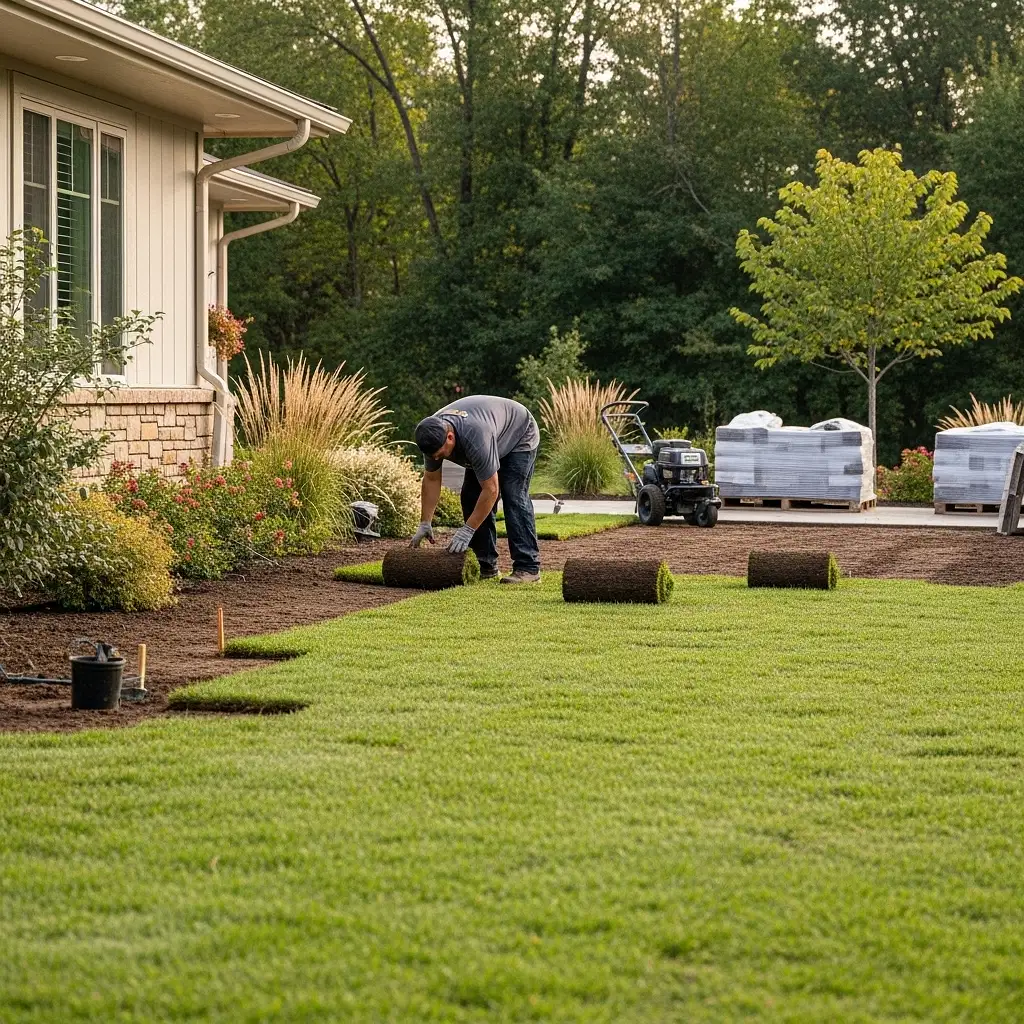
For significant bare patches where overseeding isn't enough, sod installation offers an instant solution. Laying fresh sod gives you a mature, dense lawn immediately, effectively choking out weeds and providing a beautiful, uniform look. It's an excellent option for areas that have suffered significant winter damage or for homeowners who want immediate, high-quality results.
Let's Get Your Lawn Ready for Summer
Spring lawn care is an investment that pays off all season long. By cleaning up, aerating, feeding, and establishing smart mowing and watering habits, you're setting the stage for a beautiful, healthy lawn that enhances your home's curb appeal and gives you a wonderful space to relax and play.
We know that y'all are busy, and finding the time and expertise for proper lawn care can be a challenge. If you'd rather spend your weekends enjoying everything the Simpsonville area has to offer, let the experts at ProGround Landscaping handle the hard work. From weekly maintenance to professional aeration and instant-gratification sod installation, we have the local knowledge and services to make your lawn the envy of the neighborhood. Contact us today for a free estimate and let's create your perfect outdoor space together.