
Don't Let Summer Rains Wash Away Your Landscape: A Guide to Proper Drainage
We all love the lush, green landscape that summer brings to the Greenville area. The afternoon thunderstorms are a classic part of life here in the Upstate, cooling things down and keeping our gardens vibrant. But when your yard turns into a swamp after every downpour, that summer rain feels less like a blessing and more like a problem. Standing water can do more than just make your lawn soggy; it can damage your home's foundation, kill expensive plants, and turn your beautiful backyard into an unusable muddy mess. The good news is that with a professional approach to landscape drainage, you can protect your property and enjoy the summer, rain or shine. This guide will walk you through identifying drainage issues and exploring effective, long-term solutions to keep your landscape healthy and dry.
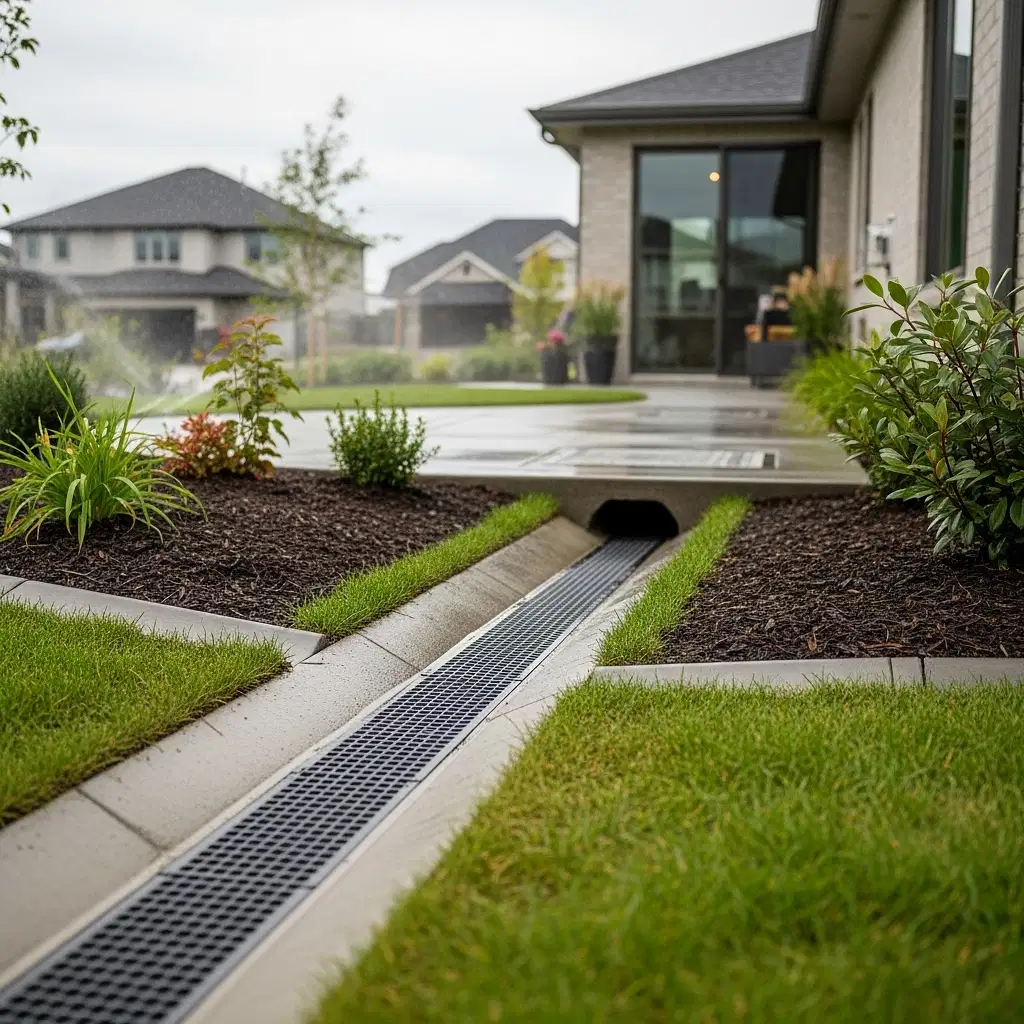
Is Your Yard Crying for Help? Signs of Poor Drainage
Water is essential for a healthy landscape, but too much of it in the wrong place can be destructive. Many homeowners live with poor drainage for years, not realizing the slow, steady damage it's causing. Recognizing the warning signs is the first step toward a solution. Here’s what to look for:
- Persistent Puddles: If you still have standing water in your lawn or garden beds 24 hours after a storm, you have a drainage problem. These areas can become breeding grounds for mosquitoes and lead to root rot in your plants.
- Spongy or Soggy Lawn: Does your yard feel like a sponge when you walk on it, even days after it rains? This indicates that the soil is oversaturated and water isn't percolating or running off properly.
- Water Stains in Your Basement or Crawlspace: This is a major red flag. If water is pooling against your foundation, it will eventually find its way inside, leading to costly repairs and potential mold issues.
- Eroding Soil and Exposed Roots: Water that moves too quickly can wash away topsoil and mulch, leaving plant roots exposed and vulnerable. You might see small channels or gullies forming on slopes.
- Dying Grass or Plants: Patches of yellowing or dying grass, especially in low-lying areas, are often a sign of root rot caused by a lack of oxygen in waterlogged soil. Even heat-tolerant plants like Bermuda grass can suffer.
Smart Solutions to Manage Heavy Rainfall
Once you've identified a problem, it's time to look at effective solutions. A well-designed drainage system doesn't just get rid of water; it manages and directs it in a way that protects your property and can even enhance its beauty. At ProGround Landscaping, we specialize in creating systems tailored to the unique contours of your yard.
1. Taming Your Downspouts
A surprising number of drainage issues start right where water leaves your roof. If your gutters empty directly next to your foundation, you're concentrating a massive amount of water in the most vulnerable area. We can implement professional downspout solutions, extending them away from the house and often burying them to discreetly carry water to a safer location, like the street or a designated drainage area.
2. The Unseen Hero: The French Drain
For larger areas with persistent saturation, a French drain is one of the most effective tools in our arsenal. This isn't just a ditch; it's a sophisticated system involving a perforated pipe surrounded by gravel, installed in a trench. It works by collecting subsurface water over a large area and channeling it away. A professionally installed French drain can transform a perpetually wet part of your yard into a healthy, usable space, protecting both your lawn and your home's foundation.
3. Functional Beauty: Dry Creek Beds
Who says drainage can't be beautiful? A dry creek bed is a fantastic, sustainable solution that doubles as a stunning landscape feature. By creating a shallow swale lined with landscape fabric and filled with smooth river rock, we can create a natural-looking channel for rainwater to follow. When it's not raining, the feature adds texture and interest to your garden. It's a perfect way to manage runoff from slopes while enhancing your property's curb appeal. We often use this technique as part of our river rock installation services to create a landscape that is as practical as it is attractive.

The Long-Term Value of a Dry Landscape
Investing in proper drainage is about more than just getting rid of puddles. It's about safeguarding your most significant asset—your home—and maximizing the enjoyment you get from your outdoor space. For busy families, it means having a safe, dry place for kids to play. For homeowners who love to entertain, it means your patio and outdoor living areas are protected from water damage and always ready for guests.
By addressing water management issues, you:
- Protect Your Foundation: Preventing water from pooling around your home is the single best thing you can do to avoid cracks and leaks.
- Increase Property Value: A well-drained, professionally landscaped yard is a major selling point and enhances curb appeal.
- Promote a Healthier Landscape: Your plants, from turfgrass to your prized azaleas and hydrangeas, will thrive in soil that has the right moisture balance.
- Gain Usable Space: Reclaim soggy parts of your yard and expand the area you can use for recreation and relaxation.
Take Control of Your Landscape This Summer
Those Upstate summer storms are a given, but a soggy, damaged yard doesn't have to be. By understanding the signs of poor drainage and exploring professional solutions, you can protect your landscape and home for years to come. Y'all don't have to let water win.
If you're tired of dealing with a swampy yard after every rain, the team at ProGround Landscaping is here to help. We provide expert drainage solutions, from French drains to downspout management, for homeowners throughout Simpsonville and the greater Greenville area. Contact us today for a consultation and let's create a plan to keep your landscape beautiful and dry.